Battery Passports and Carbon Footprint Declarations: Preparing Your Sealing Supply Chain for Data Requirements.
NIYOK is a rubber sealing component manufacturer with more than 40 years of experience in automotive, motorcycle and industrial sealing applications. Our products are 100% Made in Taiwan (MIT), and we are certified to both IATF 16949 and ISO 9001. While NIYOK is not a battery manufacturer, our existing rubber sealing products and material solutions can address the sealing needs of battery modules, battery pack enclosures, energy storage systems and charging equipment, together with complete batch traceability and inspection documentation support.
The EU Battery Regulation (Regulation (EU) 2023/1542) has been in force since 2023. It requires electric-vehicle and industrial batteries placed on the EU market to carry a digital Battery Passport from February 2027 and to provide a carbon footprint declaration, and the European Commission's Joint Research Centre (EC/JRC) published a supporting document on the carbon footprint calculation methodology for industrial batteries in May 2025. Although the reporting obligation falls on battery and vehicle manufacturers, the regulation calls for data readiness across the entire supply chain. EV and battery supply chain buyers now look not only at performance but also at traceability, material information and sustainability data cooperation, and whether each upstream component supplier can provide clean, auditable data directly affects the customer's compliance progress.
Q1. Which rubber seals are used in battery and energy storage applications?
From cells, modules and battery packs to energy storage cabinets and charging equipment, battery systems have many points that require reliable sealing solutions. NIYOK's existing products and materials can address the following common applications:
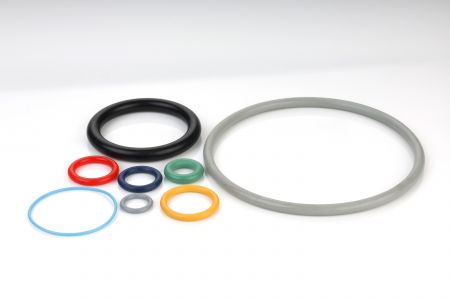
1. Enclosure water and dust sealing. Battery pack and energy storage cabinet enclosures need to keep out moisture and dust, typically using O-rings or gaskets combined with weather-resistant materials to maintain the enclosure's IP protection rating.
2. Cooling circuit sealing. The cooling line connectors of liquid-cooled batteries need to resist coolant over the long term and stay leak-tight; materials such as EPDM can address compatibility with water-based coolants.
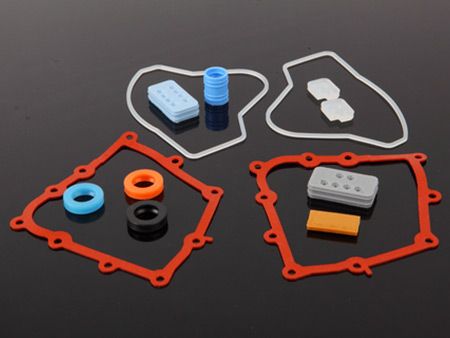
3. Module and interface sealing. The interfaces between battery modules and with the control unit require custom molded seals matched to specific grooves and structures.
4. Charging interface sealing. Charging connector and charging gun interfaces need to balance mating durability with outdoor weather resistance, addressed by O-rings and custom boots.
NIYOK can assist with material selection from NBR, EPDM, FKM, VMQ and more, based on actual operating temperature, medium and protection requirements, and provide sampling and mass-production support.
Q2. Facing the carbon footprint and traceability requirements of the Battery Regulation, what supply chain data support can NIYOK provide?
The EU Battery Regulation calls for data readiness across the entire supply chain. Even though seals are not the subject of the carbon footprint declaration or Battery Passport obligation, the data quality of upstream suppliers still affects the customer's audit and reporting progress. Building on our dual IATF 16949 and ISO 9001 quality systems, NIYOK can provide:
1. Production batch traceability. Each shipment can be traced to its production batch number and production records, helping customers build a component-level traceability chain.
2. Material batch and certification documents. We provide material certificates and batch information for rubber materials, supporting customers in material source mapping and chemical substance compliance checks (such as REACH and RoHS related information).
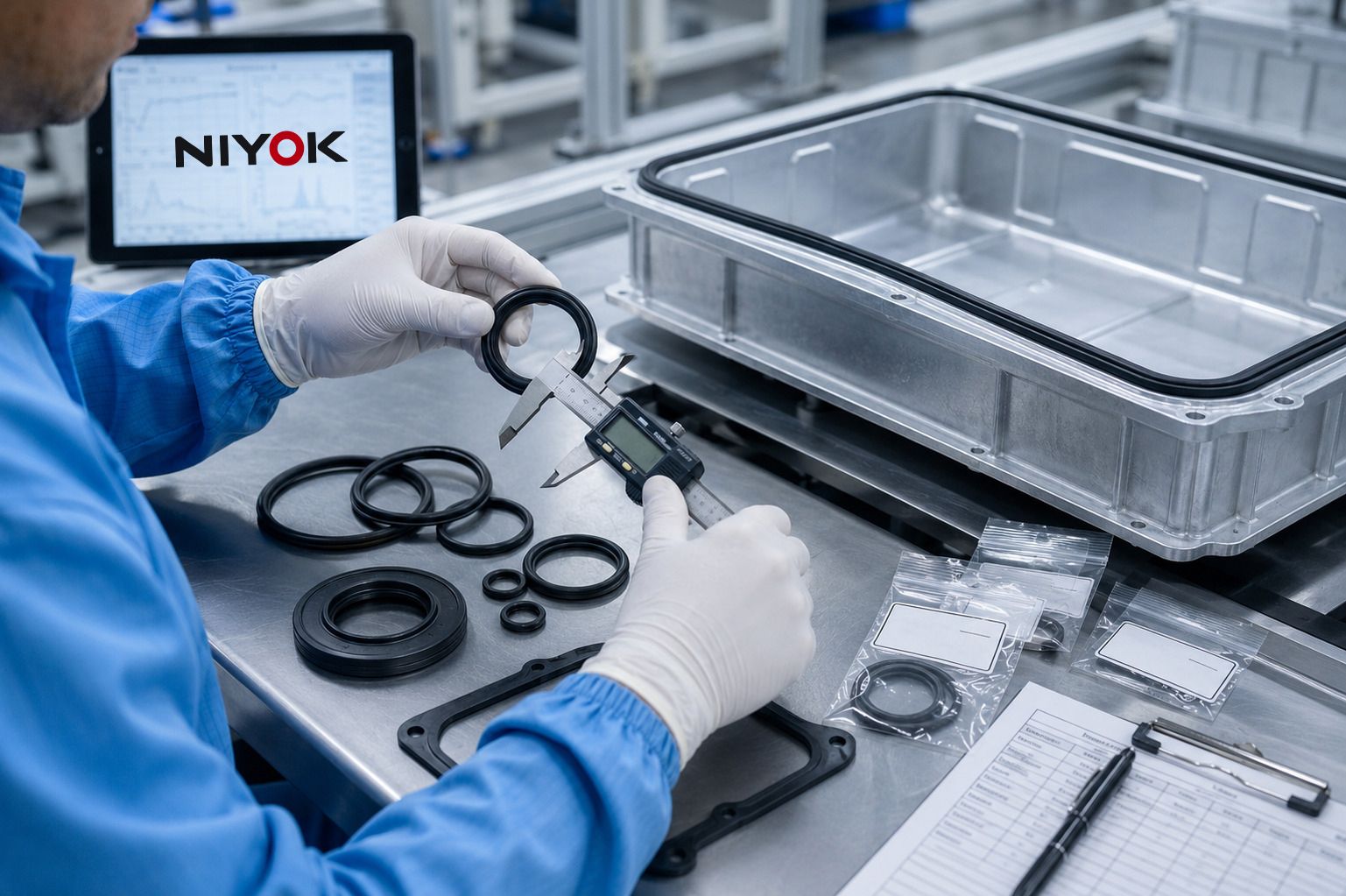
3. Inspection and quality records. According to product requirements, we provide dimensional inspection, physical property testing and outgoing inspection records, and we can support PPAP production part approval documents, 8D problem analysis reports and CAPA corrective action documents.
4. 100% Made in Taiwan (MIT). Production is concentrated in our own facilities in Taiwan. The origin is clear and the supply chain is simple, reducing complexity for customers carrying out supplier due diligence and origin tracing.
The data above can be flexibly aligned with the customer's audit checklist and reporting format, helping customers close the data gap for the upstream component link so that the overall compliance schedule is not delayed by a single supplier's missing data.
Q3. Which NIYOK sealing products suit battery and energy storage applications?
NIYOK offers O-rings, sealing gaskets, rubber-to-metal bonded seals and custom rubber parts. These can be co-developed to meet the water resistance, weather resistance and medium resistance needs of battery modules, battery pack enclosures, energy storage systems and charging equipment, with complete support from material selection and sampling through to mass production, and corresponding batch records and inspection documentation at each stage.
If you are evaluating sealing solutions for battery, energy storage or charging applications and need supply chain traceability data support, please contact NIYOK. We will provide recommendations and quality documents that match your application conditions and audit needs.
- Related Products
-
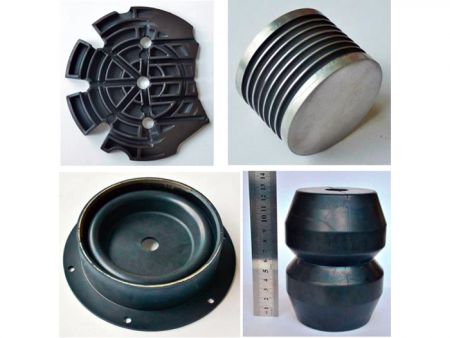
Waterproof Custom Rubber Parts
Custom Molded Waterproof rubber parts could be mold sheets or pads of custom formulated rubber...
Details